
What Is Insulation R-Value and Why Utah Homeowners Should Care
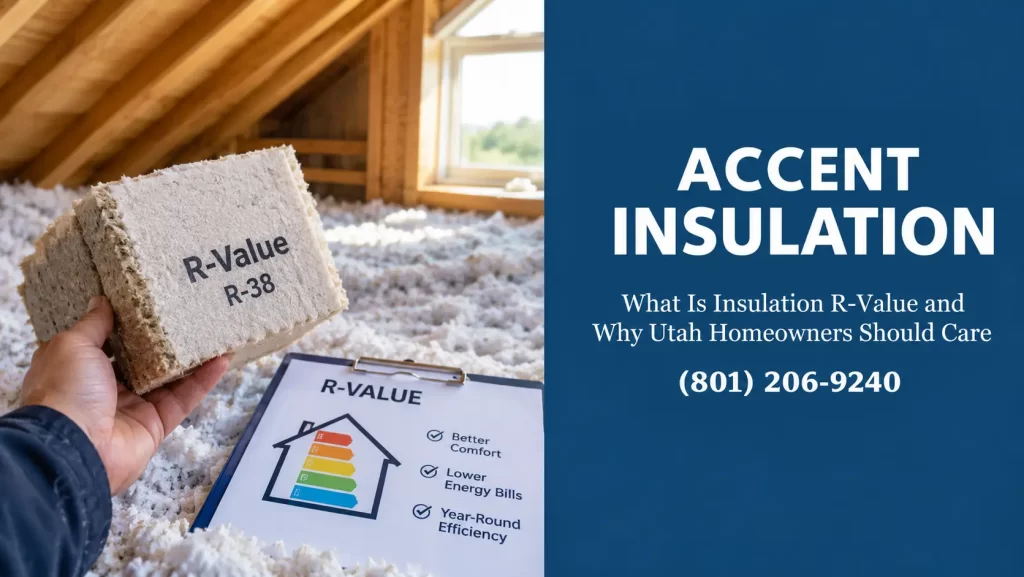
Utah’s weather doesn’t do anything halfway. We get bitter winters and dry, blazing summers, and our homes have to handle both without breaking the bank on energy bills. That’s where insulation R-value Utah homeowners rely on comes into play, and once you understand it, you’ll see why it deserves your attention.
What Is R-Value in Insulation?
R-value sounds technical, but the idea behind it is simple. We use it every day to describe how well a material resists heat flow, and once you know that, the rest falls into place.
So what is R-value insulation, exactly? It’s a numeric rating that tells you how effective a material is at slowing down heat transfer. Higher numbers mean better performance. A material with an R-value of 30 holds heat in (or out) far more effectively than one rated at 13.
We often walk homeowners through their attic, walls, and crawl spaces to check current insulation contractors in Utah recommend as a baseline. Most people are surprised to learn their home falls short of what today’s standards call for. Older homes especially tend to have thin, settled, or missing insulation in key areas, which drives up heating and cooling costs without anyone noticing until the bills arrive.
Here’s what affects R-value in a given material:
- Thickness of the insulation
- Density and type of material used
- How well it’s installed (gaps and compression lower performance)
- Moisture exposure over time
Why Insulation R-Value Matters in Utah’s Climate?
Utah sits in a spot where you’ll see snow in January and triple-digit heat in July. That kind of swing puts real demand on your home’s ability to hold a steady indoor temperature, and your insulation carries most of that load.
When your insulation R-value Utah climate demands isn’t met, your furnace and air conditioner work overtime. That means higher utility bills, more wear on your HVAC system, and rooms that never quite feel comfortable no matter how you adjust the thermostat.
Cold air sinks and warm air rises, so a home with weak insulation loses heat through the ceiling in winter and gains it right back in summer. Proper R-value keeps that exchange in check, which means:
- Fewer drafts near windows and doors
- A more even temperature from room to room
- Less strain on your heating and cooling equipment
- Lower energy consumption over the year
R-Value for Attic Insulation Utah Homes Need
Your attic takes on more responsibility than any other part of your home when it comes to temperature control, so it makes sense to start there.
Getting the R-value for attic insulation Utah building codes recommend can make a noticeable difference in comfort. Heat naturally rises, so if your attic isn’t insulated to the right level, you’re losing conditioned air straight through the roof. In winter, that means your furnace runs longer. In summer, trapped heat in the attic radiates down into your living space.
Many homeowners don’t realize their attic insulation has settled or compressed over the years, which lowers its effective R-value even if it looked adequate when installed. If you’re not sure where your attic stands, checking insulation services built for attic assessments is a good place to start. A proper inspection tells you exactly how much coverage you have and where the gaps are.
Attic insulation is one of the most cost-effective upgrades a homeowner can make, since it directly reduces the amount of energy needed to heat and cool a home.
Insulation R-Value Requirements Utah Homeowners Should Know
Building codes exist for a reason, and insulation standards are no exception. Knowing the insulation R-value requirements Utah sets for different parts of your home helps you understand whether you’re meeting the mark or falling behind.
These requirements vary depending on which part of the home you’re looking at:
- Attics generally need the highest R-value since they lose the most heat
- Exterior walls need moderate coverage to prevent heat transfer through the frame
- Floors over unheated spaces, like crawl spaces or garages, need their own R-value target
- Basements often get overlooked but still play a role in overall efficiency
Codes update periodically as building science improves, so a home built twenty or thirty years ago may no longer meet current standards. That doesn’t mean anything is wrong with the home, but it does mean there’s room to improve comfort and lower energy use with an upgrade.
How to Choose Insulation R-Value for Your Home?
Picking the right coverage isn’t something you should guess at. Knowing how to choose insulation R-value for your specific home comes down to a few key factors that work together.
Start with these considerations:
- Climate zone: Utah’s mix of cold winters and hot summers calls for higher R-values than milder regions
- Area of the home: Attics, walls, and floors each have different recommended ranges
- Existing insulation condition: Compressed, damaged, or outdated material won’t perform at its original rating
- Home layout: Vaulted ceilings, additions, and older construction methods can all affect what works best
If you’re planning new construction or a full insulation replacement, this guide on new home insulation breaks down what to look for at each stage of the process. Matching the right material and thickness to your home’s specific layout makes a measurable difference in year-round comfort.
Signs Your Home Needs an R-Value Upgrade
You don’t need to be an expert to notice when something’s off. A few common signs point to insulation that isn’t pulling its weight:
- Rooms that feel drafty even with doors and windows closed
- Uneven temperatures between floors or rooms
- Ice dams forming on the roof in winter
- Higher than expected energy bills compared to similar-sized homes
- Attic space that feels extremely hot in summer
If any of these sound familiar, it’s worth having your home’s insulation checked against current standards.
FAQ
What is a good R-value for a Utah home?
Most Utah homes benefit from higher R-values in the attic compared to walls and floors, given the region’s temperature swings. A professional assessment gives you an exact target based on your home’s specific layout.
Does R-value decrease over time?
Yes. Insulation can settle, compress, or absorb moisture, all of which lower its effective performance even if it was installed correctly.
Can I add insulation on top of what I already have?
In many cases, yes, especially in attics. The right approach depends on the type and condition of your existing insulation.
How do I know if my attic insulation is enough?
A visual inspection combined with a measurement of depth and material type tells you whether your attic meets current recommendations.
Final Thoughts
Understanding insulation R-value Utah homes need isn’t complicated once you break it down by area and climate demand. Whether you’re dealing with an older attic, planning new construction, or just trying to figure out why your energy bills keep climbing, R-value is the number that tells the real story.
Taking the time to check your current coverage against today’s standards can lead to a more comfortable home and steadier energy use throughout the year. If you’d like a clear picture of where your home stands, contact us at Accent Insulation and we’ll walk you through your options.