
How Long Does Spray Foam Insulation Take to Cure in Utah?
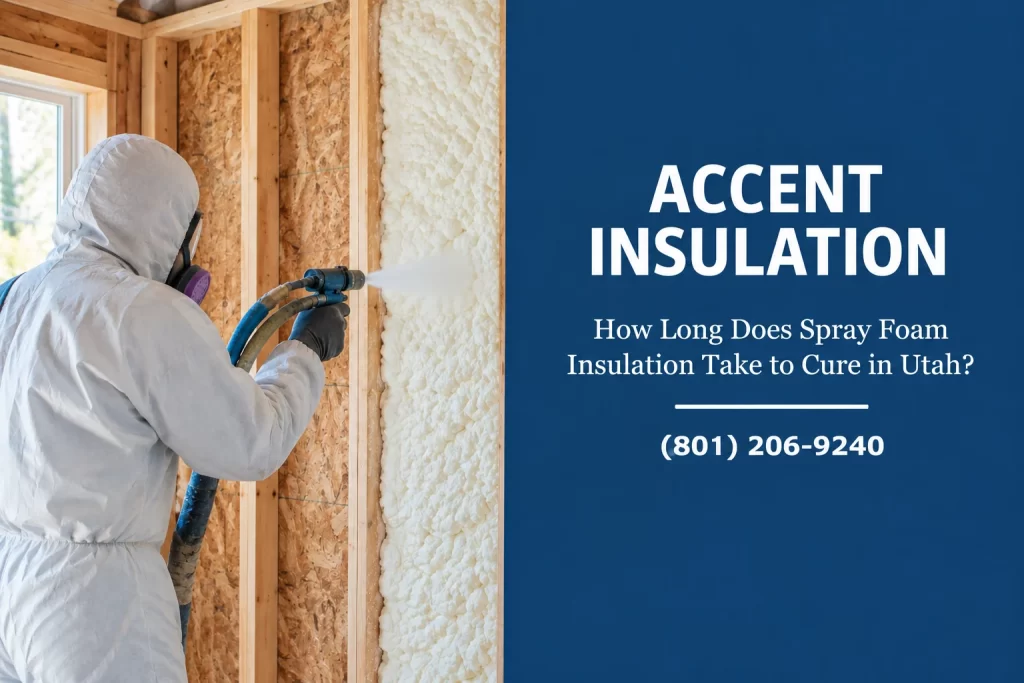
If you’ve got an install coming up, you’re probably asking how long does spray foam insulation take to dry before you can go back to using that space normally. I hear this question on nearly every project, and the honest answer depends on a handful of factors that I want to break down for you.
The Science Behind Spray Foam Curing
Drying and curing aren’t quite the same thing, and I find this trips up a lot of homeowners before I even start the job. Spray foam sets through a chemical reaction, not through simple evaporation, so knowing how that reaction works helps you understand the timeline.
The moment I apply spray foam, two liquid components combine and react, expanding and hardening within seconds of contact. That rapid expansion is just the first step. Full curing, where the foam locks into its final density and structure, takes a bit more time. I bring this up early with every client because how long does spray foam insulation take to dry isn’t one fixed answer. The foam type, how thick I apply it, and the conditions in your home all shape the timeline.
Several factors shift how fast foam reaches a full cure:
- Room temperature during and right after spraying
- Humidity levels in the space
- How thick each pass of foam goes on
- Open cell versus closed cell product
- How much airflow moves through the room
What Changes Spray Foam Curing Time in Utah
Utah’s dry climate plays a bigger role in this process than most homeowners expect, and I want to explain why before you book your appointment.
Spray foam curing time Utah jobs follow tends to move a bit differently than projects in humid states, since our low moisture air generally supports a cleaner, steadier reaction. That said, seasonal temperature swings still matter. A cold, unheated space in January cures slower than a warm, well ventilated room in July.
Before I start any spray foam insulation utah job, I check the room’s temperature and airflow, since getting those right from the first pass leads to a smoother cure overall. Most spaces reach a tack free surface within a few hours, though the foam keeps curing well past that initial stage.
Here’s roughly what you can expect on a typical job:
- Tack free stage: The surface stops feeling sticky, usually within a handful of hours
- Walkable stage: You can move through the space safely without marking the foam
- Full cure: The foam settles into its final density and stops releasing odor
How Dry Time Shifts by Foam Type and Application?
Every job looks a little different depending on the product and how I apply it, so your timeline won’t match every other homeowner’s experience.
Spray foam insulation dry time depends heavily on how many passes I run and how thick each layer goes on. A single thin coat sets faster than a dense, layered application, simply because there’s less material for the reaction to work through. I always walk you through your project’s specific scope so you know roughly when the room will feel settled again.
A few things that shift dry time from one project to another:
- How many layers or passes the job requires
- Room size and how enclosed the area is
- Whether mechanical ventilation runs during application
- The surface temperature where foam gets applied
Homeowners who’ve gone through this process share their experience on my client testimonials page, which gives you a good sense of what to expect start to finish.
Staying Home During the Curing Process
This comes up on almost every job I run, and I want to give you a clear, honest answer rather than a vague one.
Whether can you stay home while spray foam cures works for your situation depends mostly on which area of the home gets treated and how well it’s sealed off from the rest of the house. When I work in an attic or another enclosed space with solid ventilation and sealed entry points, most homeowners stay home with no issue at all. Bigger whole home projects or rooms with poor airflow call for a bit more caution until the space clears out.
My general recommendations:
- Keep doors and windows to the work area shut during spraying
- Run ventilation wherever the space allows it
- Steer clear of the treated area until it reaches a safe stage
- Ask me about your specific layout, since every home differs
If you want a deeper look at why so many homeowners choose this route, my article on spray foam benefits covers the full picture beyond just cure time.
Open Cell vs Closed Cell: How Cure Time Compares
The foam type you pick changes more than performance and cost, it also shifts how long you’ll wait before the job feels fully done.
Spray foam cure time open cell vs closed cell differs mainly because of density and chemical structure. Open cell foam expands further and stays lighter, which usually means it hits the tack free stage a bit sooner. Closed cell foam packs tighter and denser, so it generally takes a little longer to fully cure, though it rewards you with a higher R-value per inch once it’s set.
A quick comparison:
- Open cell foam: Lighter and more flexible, often reaches tack free stage faster
- Closed cell foam: Denser and more rigid, takes slightly longer but adds stronger moisture resistance
- Both types reach a safe, functional cure well before most homeowners need the space back
Your choice between the two should come down to what you need the foam to do, not just how quickly you want the room back.
After the Install: What to Expect
Once my crew finishes up, you’ll want a clear picture of the next few hours and days before settling back into your usual routine.
I give every homeowner a simple aftercare rundown so how long does spray foam insulation take to dry never feels like a guessing game once the job wraps. Keeping any recommended ventilation running helps speed the process along, and I always suggest avoiding contact with freshly sprayed surfaces until I confirm they’ve reached a stable point.
A few steps that help things along:
- Keep the treated area ventilated as instructed
- Avoid touching or leaning on fresh foam early on
- Expect any odor to fade gradually as curing finishes
- Reach out if anything seems off once you’re back in the space
Final Thoughts
Knowing how long does spray foam insulation take to dry helps you plan around the job with confidence instead of guesswork. Cure time shifts based on the foam type, your home’s conditions, and how thick the application runs, but most projects reach a safe, stable point within a reasonable stretch. I go over every detail with you before we start so nothing catches you off guard once work begins.
If you’ve got a project coming up or you’re still weighing foam types, contact us and I’ll walk you through it. At Accent Insulation, I’ve guided homeowners across Utah through this exact process more times than I can count, and I’m glad to do the same for you.